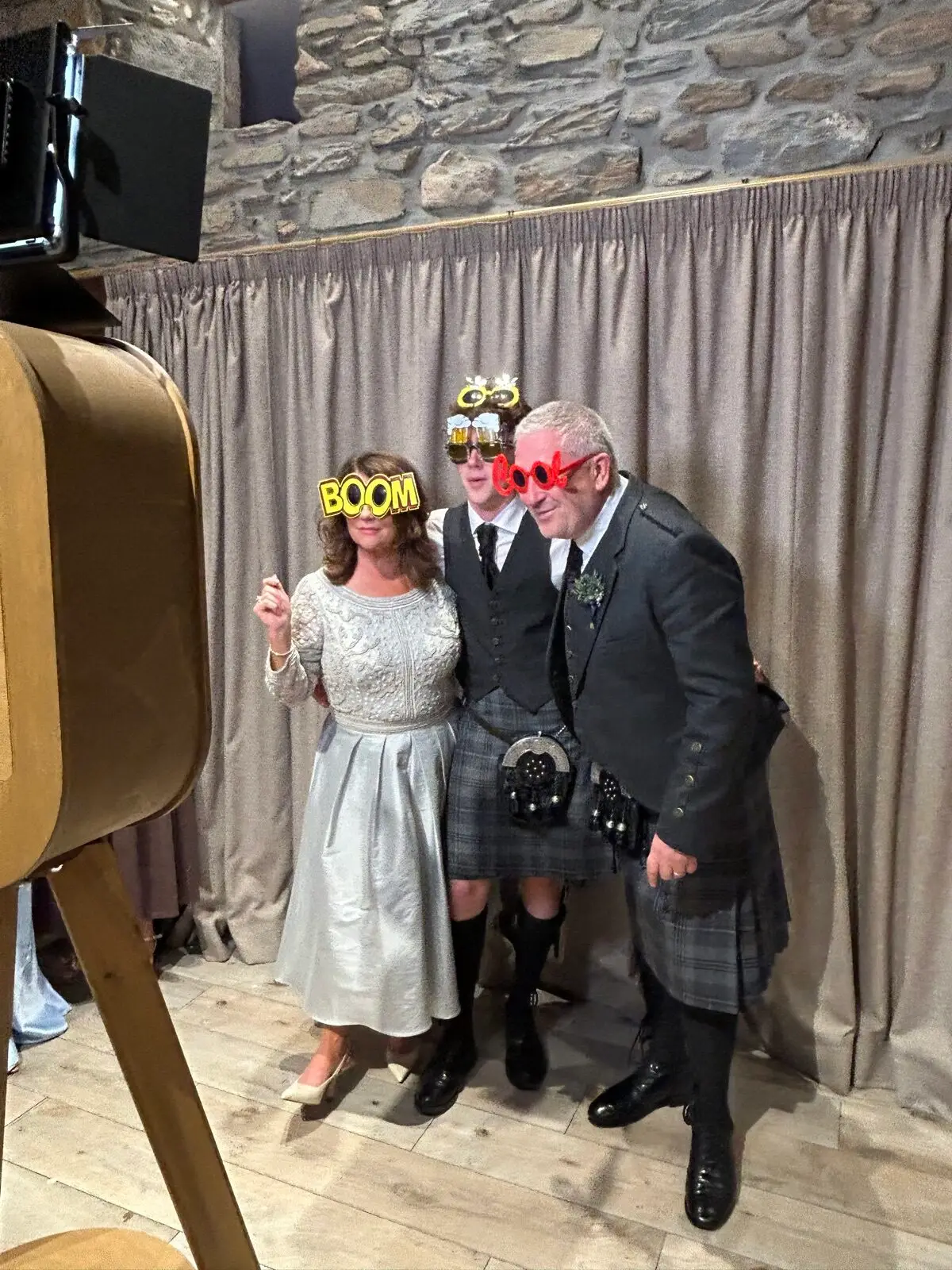
Ask anyone about a wedding they went to last year and watch what they remember. It almost never starts with “the canapés were excellent”. It almost never starts with “the seating chart was so clever”. What they remember is more specific and more strange. The toddler in the corner asleep on a coat. The bridesmaid who made everyone cry with her speech. The moment the whole room sang along.
Most event planners — whether they’re planning a wedding, a birthday, or a corporate awards night — spend ninety percent of their time on the production: the food, the flowers, the timings, the AV. All of which matters. But guests don’t remember production. They remember moments. And moments are usually engineered by accident.
The thing about memory
There’s a quiet finding from psychology research that hospitality professionals have been quietly using for decades: we don’t remember events in proportion to their length. We remember them in proportion to their peaks and their endings. A three-hour wedding reception gets compressed in memory into roughly five moments — two highs, one low, the ending, and one random detail.
Which means a sensible event planner spends a disproportionate amount of energy on those five moments. Not on the things that fill the middle.
What “peaks” actually look like
A peak isn’t a stage moment. It’s rarely the speech (though a great speech can be one). It’s almost always a moment where two things happen at once: everyone is doing the same thing, and they’re doing it together. That’s the formula. The dance floor when the right song lands. The toast when the room joins in. The group photo where everyone ends up genuinely laughing.
You can’t guarantee these moments. But you can dramatically increase the odds by leaving room for them — instead of overscheduling.
The most under-rated decision in event planning
Whitespace. The deliberate moments where nothing is happening on stage and people are simply allowed to mingle, eat, laugh, and find each other. The events that “just felt right” almost always had thirty percent more unscheduled time than the ones that “felt rushed”.
A test we’ve used at hundreds of events
If the timing sheet has more than six items in any 90-minute block, the night will feel rushed. Cut the lowest-impact item. The room will thank you.
It feels counter-intuitive. The instinct is to fill the silence with another performance, another speech, another planned activity. The reality is the opposite. Silence is where memory forms.
Where photo booths actually fit
This is the part where we’d normally make the case for hiring a photo booth. But that’s not quite the point of this post. The point is that some kind of interactive moment — that guests choose to engage with, on their own terms, when they want a break from sitting still — is one of the highest-leverage things a planner can add.
A photo booth happens to do that job well. So do lawn games. So do guest books with prompts. So does a slow walk to a fire pit at the end of the night. The format matters less than the principle: give your guests something to do that’s theirs, not yours. That’s the moment that ends up in the album.
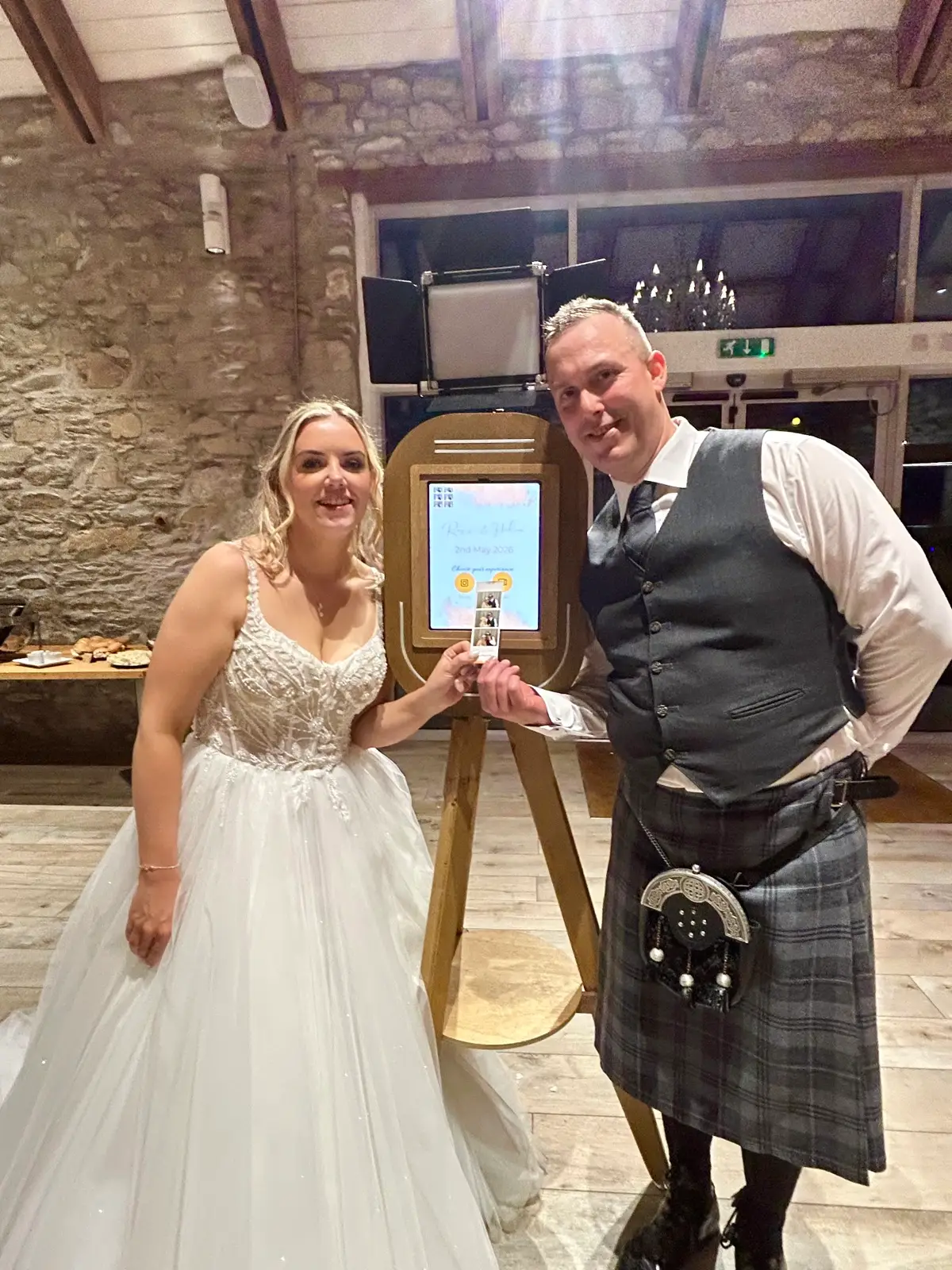
One of those moments. A vintage selfie pod set up at a Lake District wedding.
See what a night with Funny Photo Booth actually looks like
Real scenes from real evenings — what guests do, when the queue forms, and what the morning-after photo gallery looks like.
See the real storiesCheck availability →